
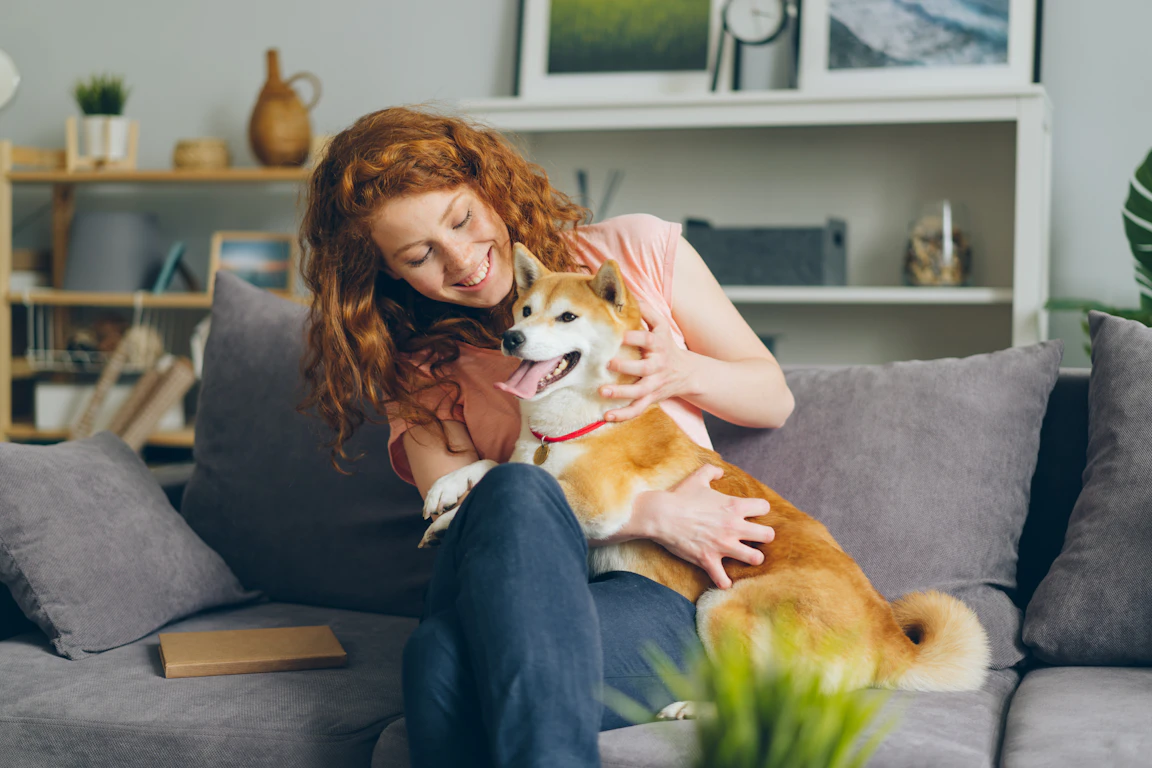
- Hormonal Boost: Interacting with pets releases oxytocin, the “love hormone,” which lowers stress and anxiety.
- Physical Longevity: Pet owners often experience lower blood pressure and increased physical activity.
- Social Catalysts: Animals help bridge social gaps, making it easier for humans to connect with their communities.
- Child Development: Pets teach children essential life skills like empathy, responsibility, and compassion.
Have you ever wondered why a simple wag of a tail or a soft purr can instantly melt away the stresses of a grueling workday? It is a phenomenon that transcends cultures, borders, and even centuries. In the United States alone, nearly 70% of households share their lives with at least one animal companion. But our connection to these creatures goes far deeper than mere entertainment or home security. It is a profound, soul-level resonance that influences our biology, our social structures, and our very survival. To understand why we love pets, we must look at the intersection of ancient history and modern science.
The Evolutionary Roots of Companionship
The story of why we love pets begins tens of thousands of years ago. Our relationship with animals isn’t a modern luxury; it is an evolutionary partnership. Long before there were designer dog beds or specialized feline diets, humans and animals were forging a bond based on mutual survival. This process, often called co-evolution, saw wolves and early humans gradually moving toward one another for warmth, protection, and hunting assistance.
From Wolves to Bedside Companions
The domestication of dogs is widely considered the earliest example of this bond. Unlike other domesticated livestock kept for meat or milk, dogs—and eventually cats—entered our “inner circle.” Evolutionary biologists suggest that humans who formed bonds with animals had a survival advantage. Animals provided early warning systems against predators, while humans provided steady food sources. Over millennia, this utilitarian relationship paved the way for the emotional attachment we recognize today.
The Biophilic Connection
There is also the theory of biophilia, suggested by Edward O. Wilson, which posits that humans possess an innate tendency to seek connections with nature and other forms of life. In our increasingly concrete and digital world, pets serve as our living link to the natural world. This ancestral pull is one reason why a home often feels “empty” without the presence of an animal.
Psychological Well-being: The Stress-Relieving Power of Paw-sitivity
In modern psychology, the “Pet Effect” is a well-documented phenomenon. For many of us, our pets are our primary therapists. The psychological benefits of having a pet aren’t just in our heads—they are measurable in our blood and brain chemistry. When we interact with an animal, our bodies undergo a rapid chemical shift.
The Oxytocin Overload
When you look into your dog’s eyes, your brain releases oxytocin, often called the “cuddle hormone” or “bonding hormone.” This is the same chemical released between a mother and her newborn. This hormonal surge creates an immediate sense of calm and trust. Simultaneously, levels of cortisol—the body’s primary stress hormone—begin to drop. This dual action makes pets one of the most effective, natural anti-anxiety tools available.
Managing Modern Loneliness
In an era where “loneliness epidemics” are frequently cited in public health discussions, pets offer a vital solution. They provide “passive companionship”—the simple comfort of knowing another living soul is in the room. For those struggling with depression, the presence of a pet that requires care can provide a reason to get out of bed, creating a stabilizing routine in an otherwise chaotic emotional landscape.
Physiological Health Benefits: More Than Just a Furry Friend
While the emotional perks are obvious, the physical benefits of pet ownership are equally impressive. Research by the American Heart Association has indicated that pet ownership, particularly dog ownership, is associated with a decreased risk of cardiovascular disease. The physical presence of a pet can act as a literal shield for your heart.
| Health Metric | Pet Owners | Non-Owners |
|---|---|---|
| Average Blood Pressure | Lower (systolic/diastolic) | Standard/Baseline |
| Daily Physical Activity | High (avg. 150+ mins/week) | Standard/Sedentary-leaning |
| Cholesterol/Triglycerides | Consistently Lower Trends | Standard Baseline |
A Natural Exercise Routine
Dogs are the ultimate “personal trainers.” A study showed that dog owners are 54% more likely to get the recommended amount of daily exercise than those without dogs. Whether it is a brisk morning walk or a game of fetch in the backyard, these activities keep our cardiovascular systems engaged and our joints mobile.
Immune System Support
Interestingly, growing up with pets can also prime the human immune system. Exposure to “pet dander” and the various microbes pets bring in from outdoors can actually reduce the likelihood of children developing allergies and asthma later in life. This hygiene hypothesis suggests that pets help our bodies learn what is a threat and what isn’t.
Unconditional Love and Acceptance: The Purest Form of Affection
Perhaps the most significant reason why we love pets is their ability to offer unconditional love. In the world of human relationships, love is often complicated by expectations, judgments, and past grievances. Pets, however, live entirely in the present moment.
“A dog is the only thing on earth that loves you more than he loves himself.” — Josh Billings
The Judgment-Free Zone
Your cat doesn’t care if you lost your job, forgot to do the laundry, or made a social blunder. To your pet, you are the center of the universe. This lack of judgment creates a safe emotional harbor. For individuals who have experienced trauma or have difficulty with social cues, this “safe” relationship serves as a bridge to emotional healing and self-worth.
Consistency in a Changing World
In a fast-paced, digital world where everything feels temporary, pets are a constant. Their routines—the excitement when you walk through the door, the insistent nudging for dinner—provide a sense of stability. This reliability fosters a deep sense of emotional security that is difficult to find elsewhere.
Social Connection and Community Building
Pets are the ultimate “social icebreakers.” Have you ever noticed how much easier it is to talk to a stranger when they have a dog? Pets give us a common ground and a reason to interact with our neighbors. This social lubrication is vital for building strong, healthy communities.

The “Dog Park” Effect
Events like the “Mutt Strut” or local pet-friendly festivals (such as the upcoming pet-centered programming for the 2026 FIFA World Cup in Kansas City) demonstrate how animals bring people together. When we engage in pet-related activities, we move from being “strangers” to being “members of a pack.” These shared interests can lead to lifelong friendships and support networks.
Bridging the Gap
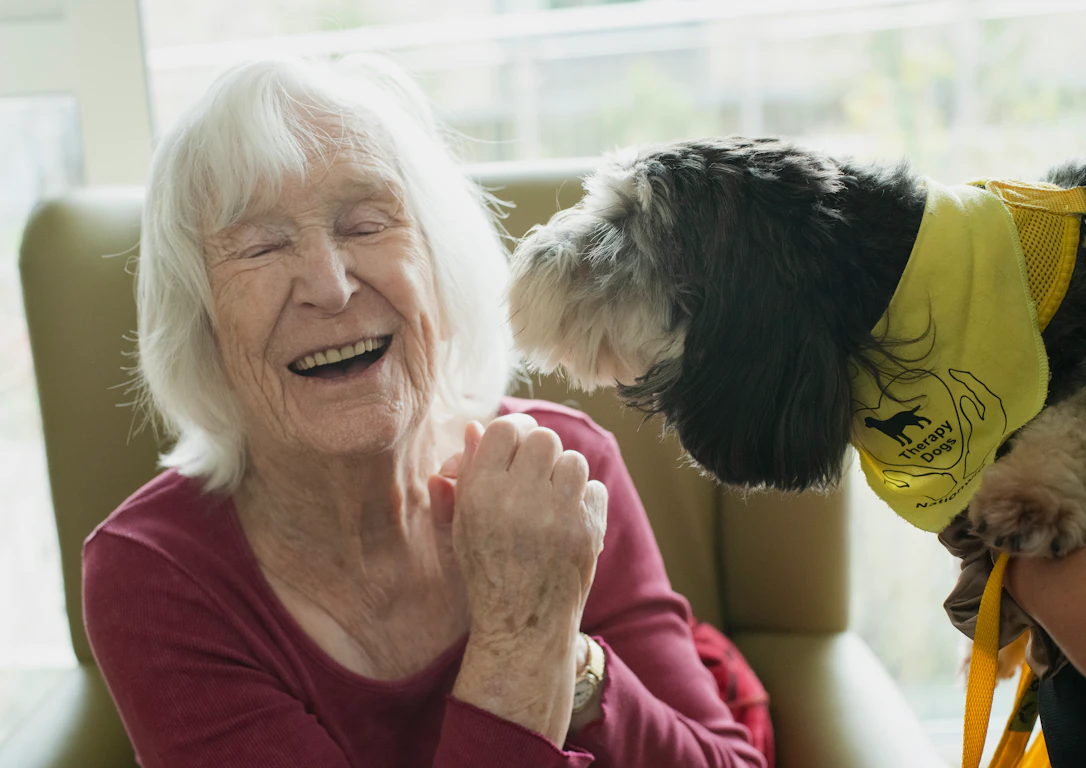
Pets also help bridge generational and socioeconomic gaps. An elderly person and a teenager might have little in common to talk about, but they can easily bond over the antics of a playful kitten. This strengthens the social fabric of neighborhoods, making them feel safer and more connected.
The Nurturing Instinct and Sense of Purpose
Human beings have an inherent need to be needed. We are hardwired to nurture. Caring for a living thing that depends on us for food, shelter, and affection satisfies a deep psychological drive. This sense of responsibility is remarkably beneficial for our mental health.
Purpose for All Ages
For retirees who may feel a loss of identity after leaving the workforce, a pet provides a structure and a “job” to do. For children, the responsibility of filling a water bowl or brushing a pet’s coat builds self-efficacy—the belief in one’s ability to succeed in specific situations. Knowing that another creature relies on you provides a powerful sense of meaning and purpose that can combat feelings of hopelessness.
Cognitive Stimulation and Engagement
Pets keep us sharp. Interacting with another species requires a certain level of cognitive flexibility. You have to learn their non-verbal cues, understand their needs, and solve problems related to their care. This constant mental engagement is particularly important as we age.
The Training Challenge
Training a dog or teaching a cat tricks involves complex communication and patience. It engages our frontal cortex, the part of the brain responsible for planning and executive function. Even the simple task of researching the best nutrition for a senior pet or figuring out why a bird is behaving differently keeps the mind active and curious.
Spontaneous Joy and Play
Pets are masters of play. Their “silliness” forces us to step out of our analytical minds and into a state of flow. This spontaneous engagement provides a mental “reset,” allowing us to return to our tasks with refreshed focus and a lighter heart.
The Role of Pets in Child Development
For children, a pet is often their first best friend and their first teacher. The presence of an animal in a household can profoundly shape a child’s personality and emotional intelligence. Growing up with pets provides a unique “classroom” for some of life’s most important lessons.
- Empathy Development: Children learn to read an animal’s body language and anticipate their needs, fostering a “perspective-taking” ability that translates to human relationships.
- Compassion and Kindness: Seeing how a parent treats a pet with gentleness teaches a child the value of protecting the vulnerable.
- Understanding The Circle of Life: For many children, the loss of a pet is their first experience with death, providing a structured environment to learn about grief and remembrance with parental support.
Our Furry Family Members: Integration into Daily Life
In the United States, we have moved far beyond seeing pets as “owner-property.” Today, they are sentient family members. We celebrate their birthdays, include them in holiday photos, and spend billions annually on their healthcare and comfort. This integration into our daily rituals reinforces the bond.
Daily Rituals and Shared Space
Whether it’s the cat sitting on your laptop while you work from home or the dog waiting at the window for your return, pets are woven into the “micro-moments” of our lives. These rituals create a shared history. Over time, a pet becomes a living record of our own lives—they were there during the breakups, the promotions, the moves, and the quiet Sunday afternoons.
The Legacy of Love: Grief and Remembrance
The intensity of the grief we feel when a pet passes away is the ultimate testament to the depth of our love. In the past, society sometimes trivialized the loss of an animal (“It was just a dog”), but we now recognize pet loss as a significant and valid form of bereavement.
The Heartbreak of Saying Goodbye
Because the love of a pet is so pure and uncomplicated, the loss can feel uniquely devastating. Research indicates that the grief of losing a pet can be just as intense as losing a human relative. This pain exists because the hole they leave in our daily routine and our emotional support system is massive.
Honoring the Bond
The ways we remember our pets—through photos, memorial gardens, or donating to shelters—help us process this love. Even after they are gone, their legacy remains in the lessons they taught us about loyalty, resilience, and the capacity of the human heart to love another species so unconditionally.
Conclusion
So, why do we love pets? It is because they make us more human. Through their evolutionary companionship, physiological benefits, and unwavering emotional support, they provide a blueprint for a balanced, joyful life. They lower our blood pressure, but more importantly, they open our hearts. In a world that can often feel cold or divided, our pets offer a warmth that is consistent, honest, and profoundly healing. Whether they walk on four legs, fly on wings, or swim in a tank, these companions are not just “animals”—they are the mirrors of our best selves.
Frequently Asked Questions
Is it scientifically proven that pets make us happier?
Yes. Numerous studies have shown that interacting with pets releases oxytocin and serotonin while reducing cortisol. These chemical changes directly contribute to improved mood, lower stress levels, and an overall sense of well-being, effectively making us “happier” on a biological level.
Can pets really improve my heart health?
According to the American Heart Association, pet owners (especially dog owners) typically have lower blood pressure and lower cholesterol levels. The increased physical activity from walking a dog and the stress-reduction benefits of companionship both contribute to a significantly lower risk of cardiovascular disease.
Are certain types of pets better for mental health than others?
While dogs and cats are the most studied, “pet therapy” can involve everything from horses to guinea pigs. The “best” pet depends on the individual’s lifestyle and needs. The key factor is the emotional bond and the sense of companionship, rather than the specific species of the animal.
Why do I feel so much grief when a pet dies?
Grief is proportional to the love we feel. Because pets provide unconditional support and are integrated into our daily routines, their loss represents the loss of a constant companion and a primary source of comfort. It is a valid and deep emotional experience similar to losing a human family member.
How do pets help children develop empathy?
Pets require humans to interpret non-verbal cues. Children who learn to recognize when a dog is scared or a cat is playful are practicing “perspective-taking.” This ability to understand and care about the feelings of another living being is the fundamental building block of empathy.
Do pets help with social anxiety?
Yes, pets can act as a “social lubricant” or an icebreaker. They give people a neutral topic to discuss and can provide a sense of security in public spaces. For many people with social anxiety, having a pet present makes them feel less “on display” and more comfortable engaging with others.
Powered by Volteruno


